Source electric off road suv for mining, farms, and rescue
Compare 30 electric off road suv options featuring PMSM motors and AWD drive systems. Buyers can evaluate battery capacity, range, and cargo loads from suppliers in Shanghai with EEC and EPA certifications.
Key considerations
Products List


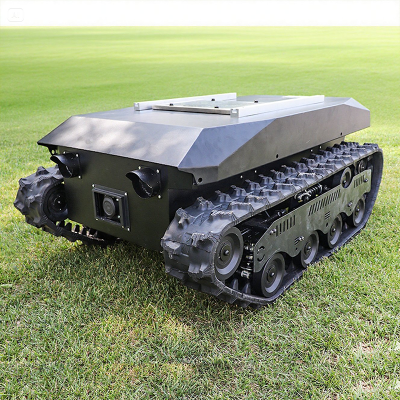

$12000.00 - $27000.00
Moq: 1


Comprehensive Sourcing Guide
Strategic Sourcing Guide for Electric Off-Road SUVs
The global demand for electric off-road utility vehicles has surged as industries seek sustainable alternatives to traditional internal combustion engines. For procurement professionals, navigating this market requires a disciplined approach to distinguishing between specific vehicle configurations, verifying technical claims, and ensuring regulatory compliance. The following guide synthesizes available product data to provide a framework for sourcing electric off-road SUVs, focusing on technical specifications, certification verification, cost structures, and quality assurance protocols.
Technical Architecture and Powertrain Specifications
When evaluating electric off-road SUVs, the core differentiator lies in the powertrain architecture. Unlike conventional vehicles, electric models rely heavily on the synergy between the motor type, battery capacity, and transmission systems. Based on observed market data, a prevalent configuration for high-performance electric off-road units involves a Permanent Magnet Synchronous Motor (PMSM). This motor type is favored for its high power density and efficiency, which are critical for maintaining torque in rugged terrain.
The electrical system typically operates at a nominal voltage of 72V, paired with a substantial battery capacity of 140Ah. This combination suggests a design intent focused on extended operational ranges, with observed single-driver ranges reaching up to 75km. The energy storage system utilizes Lead Acid Gel batteries, a choice that balances cost and durability, though buyers must verify the specific cycle life expectations for their intended application. The charging infrastructure is managed via an On-Board Charger, with a standard charge time ranging between 9 and 10 hours. This duration implies that overnight charging is a necessary operational prerequisite for fleet management.
Transmission systems in these units are predominantly automatic, simplifying the driving experience for operators who may lack specialized off-road training. The maximum speed for these electric configurations is observed at 52km/h, which aligns with safety standards for utility work zones while providing sufficient mobility for recreational or light industrial use. The vehicle's physical dimensions are substantial, with overall lengths and widths often exceeding 4.7 meters, providing a stable platform for off-road traversal.
Compliance, Certification, and Regulatory Standards
Regulatory compliance is the most critical hurdle in international procurement. Buyers must rigorously verify that suppliers possess valid certifications for the target markets. In the observed data, products are listed with EEC (European Economic Community) and EPA (Environmental Protection Agency) certifications. The EEC certification indicates compliance with European safety and environmental directives, while EPA certification is essential for sale in the United States, ensuring emissions and noise levels meet federal standards.
It is imperative to note that while some listings mention EPA certification, the fuel type listed varies between "Electric" and "Gas" within the same dataset. This discrepancy highlights a common market confusion where suppliers list multiple product lines. Buyers must explicitly confirm that the specific unit ordered is electric and that the EPA certification applies to the electric powertrain, not a gas-powered variant. Additionally, management certifications such as ISO standards for seats and steering systems are mentioned, indicating a focus on ergonomic and safety compliance.
The physical standards of the vehicles are also defined by specific dimensional requirements. For instance, one observed model adheres to a standard dimension of 2623x1440x2003mm, while another follows 2620x1440x1930mm. These variations suggest that "standard" dimensions are not universal but are specific to the model series. Procurement teams should request the exact dimensional drawings for the specific model to ensure compatibility with transport logistics and storage facilities.
Cost Drivers and Pricing Dynamics
The pricing landscape for electric off-road SUVs is highly variable, reflecting differences in battery technology, motor power, and customization options. The observed price range spans from $1,700 to $155,000 USD. This wide disparity is not indicative of quality alone but rather reflects the spectrum from basic utility carts to high-performance, fully equipped SUVs.
Several factors drive these costs. The battery capacity is a primary cost driver; a 72V 140Ah system represents a significant investment in energy storage. The motor power also influences price, with units ranging from a rated power of 10KW to high-performance variants capable of 185KW. The latter, capable of speeds up to 170km/h, represents a premium segment with advanced thermal management and structural reinforcement.
Customization availability is another variable. While many suppliers offer customization, the scope of these modifications—ranging from bed capacity to body style—directly impacts the final unit cost. Buyers should anticipate that the base price often excludes specialized modifications, which can significantly increase the total cost of ownership. Furthermore, the Minimum Order Quantity (MOQ) ranges from 1 to 30 units, allowing for both pilot purchases and bulk procurement, though bulk orders may unlock different pricing tiers.
Operational Applications and Utility Configurations
Electric off-road SUVs serve diverse applications, from industrial logistics to recreational use. The data indicates specific configurations tailored for cargo handling. For example, one model features a dump bed with a capacity of 150kg and dimensions of 930x1270x380mm, ideal for construction sites or agricultural settings. Another variant offers a rear cargo box load capacity of 100kg, suitable for lighter material transport.
The body style is typically "Open" or "SUV," providing flexibility for various operational needs. The drive system is consistently All-Wheel Drive (AWD), ensuring traction in loose or uneven terrain. Ground clearance is a critical specification for off-road capability, with observed values reaching 235mm, allowing the vehicle to navigate obstacles without undercarriage damage. The wheelbase, observed at 2860mm for larger models, contributes to stability, while the seat height of 830mm ensures operator accessibility.
For buyers considering these vehicles for fleet operations, the weight with full equipment is a vital metric. One observed model weighs 515kg, while a larger high-performance variant weighs 2265kg. This weight difference affects fuel efficiency (in terms of energy consumption per mile), tire wear, and transport logistics. The tire specifications, such as 25x8-12 for the front and 25x10-12 for the rear, are designed to provide a balance between grip and durability.
Supplier Evaluation and Origin Verification
When selecting a supplier, origin and manufacturing standards are key indicators of reliability. The data points to Shanghai as a primary origin for these vehicles, a hub known for its automotive manufacturing ecosystem. However, buyers must verify the specific factory location and capacity, as "Shanghai" may refer to a trading entity rather than the manufacturing site.
Supplier evaluation should focus on the consistency of product attributes. Discrepancies in fuel type listings (Electric vs. Gas) within the same product family suggest a need for rigorous due diligence. Buyers should request detailed product data sheets that clearly distinguish between electric and gas-powered models to avoid procurement errors. Additionally, the packing method, whether "Carton Box" or "Iron Frame," impacts shipping costs and product protection during transit.
The condition of the vehicles is listed as "New," but buyers should verify the manufacturing date and storage conditions to ensure battery health. For high-volume orders, visiting the production facility or requesting third-party audit reports is advisable. The presence of ISO management certifications for specific components like seats and steering adds a layer of confidence regarding quality control processes, but these should be cross-referenced with the specific model being purchased.
Quality Control and Long-Term Procurement Considerations
Quality control for electric off-road SUVs extends beyond the initial inspection. The braking system, typically Hydraulic Disc Brakes for both front and rear, must be tested for consistency and fade resistance under load. The parking type, often a Hand Brake, requires verification of its engagement mechanism to ensure safety when the vehicle is stationary on inclines.
Long-term procurement considerations include the availability of spare parts and the maintenance schedule. The lubrication oil specification, such as SAE 15W-40, is critical for engine longevity in gas models, but for electric models, the focus shifts to cooling systems and battery management. Buyers should inquire about the warranty terms for the battery and motor, as these are the most expensive components to replace.
The compression ratio and cylinder volume, listed as 10:01 and 391ml respectively, are relevant for gas-powered variants but highlight the complexity of the product line. For electric models, the focus should be on the electronic fuel injection system's counterpart, which is the battery management system (BMS). Ensuring the BMS is robust and capable of handling the 9-10 hour charge cycle is essential for operational uptime.
Comparative Analysis of Vehicle Specifications
To facilitate decision-making, the following table summarizes key specifications observed across different models, highlighting the trade-offs between performance, capacity, and size.
| Specification | Model A (Electric Utility) | Model B (High Performance) | Model C (Gas Variant) |
|---|---|---|---|
| Power Source | Electric (PMSM) | Electric (High Output) | Gas (400CC) |
| Rated Power | 10KW | 185KW | N/A |
| Max Speed | 52 km/h | 170 km/h | 70 km/h |
| Battery/Voltage | 72V 140Ah | N/A | N/A |
| Fuel Tank | N/A | N/A | 19L |
| Cargo Capacity | 150kg (Dump Bed) | N/A | 100kg (Rear Box) |
| Ground Clearance | N/A | N/A | 235mm |
| Curb Weight | N/A | 2265kg | 515kg |
| Certification | EEC, EPA | EEC, EPA | EPA |
This comparison underscores the diversity in the market. Model A represents a utility-focused electric vehicle with moderate speed and high cargo capacity. Model B is a high-speed, heavy-duty electric SUV, likely intended for specialized applications requiring significant power. Model C illustrates the gas-powered alternative, offering a different set of maintenance requirements and performance characteristics.
In conclusion, sourcing electric off-road SUVs requires a meticulous approach to verifying technical specifications, ensuring regulatory compliance, and understanding the cost drivers inherent in the product. By focusing on the specific attributes of the powertrain, battery, and certification status, buyers can mitigate risks and select vehicles that align with their operational needs. The wide range of available configurations offers flexibility, but it also demands a disciplined procurement process to navigate the complexities of the market effectively.
FAQs
What certifications do electric off road suvs have?
Products typically hold EEC and EPA certifications for regulatory compliance. Buyers must verify that the specific electric model carries these marks, as some listings mix gas and electric variants with different certification requirements.
How long does it take to charge the battery?
Charging takes between 9 and 10 hours using an onboard charger system. This duration requires overnight charging cycles for fleet operations to ensure the vehicle is ready for the next day's work.
What is the maximum speed of these electric vehicles?
Standard electric models reach a maximum speed of 52 km/h. High-performance variants can achieve speeds up to 170 km/h, depending on the specific motor power and configuration selected.
Can the vehicle be customized for specific needs?
Customization is available for various product configurations. Buyers should specify requirements for bed capacity, body style, or cargo dimensions to ensure the final unit meets operational needs.
Where are these electric off road suvs manufactured?
The primary origin for these vehicles is Shanghai. Procurement teams should verify the specific factory location to ensure the manufacturing site matches the claimed origin and quality standards.
What is the minimum order quantity for purchase?
The minimum order quantity ranges from 1 to 30 units. This flexibility allows for both pilot purchases of single units and bulk procurement for larger fleet deployments.